A clean home is not only visually appealing but also crucial for maintaining a healthy and comfortable living environment. Whether you’re preparing for a seasonal deep clean or want to ensure every corner of your home is spotless, having a comprehensive checklist can make the process more manageable and effective. Below, we’ve outlined a detailed cleaning guide for every room in your home.
Living Room Cleaning Checklist
The living room often serves as the central hub of the house, making it prone to dust and clutter.
- Dust all surfaces: Wipe down shelves, tables, light fixtures, baseboards, and other flat surfaces.
- Clean upholstery: Vacuum sofas, chairs, and any cushions. Spot-clean stains with an appropriate cleaner.
- Vacuum carpets and rugs: Remove dust particles trapped in fibers by vacuuming each area carefully. For stubborn stains, consider steam cleaning.
- Wipe electronics: Use microfiber cloths to clean TV screens, remotes, and other gadgets.
- Tidy up décor items: Dust picture frames, knick-knacks, and decorative pieces.
Kitchen Cleaning Checklist
The kitchen sees heavy use daily. A deep clean ensures hygiene is maintained where food preparation occurs.
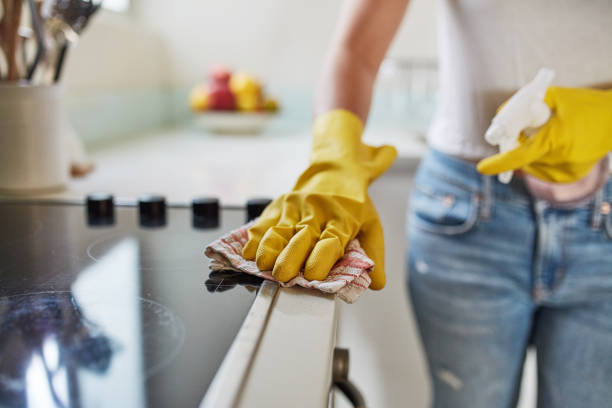
- Clear countertops: Remove appliances or utensils before cleaning with an all-purpose spray.
- Stove/oven: Scrub stovetops; use degreaser on oven interiors.
- Refrigerator: Empty shelves, toss expired food items, then wipe down surfaces.
- Microwave: Steam-clean using water with lemon juice to loosen grime before wiping.
- Sanitize sinks: Scrub sink basins and faucets with baking soda or disinfectant cleaner.
- Cabinets and drawers: Remove items; vacuum crumbs; wipe interior surfaces before organizing items back.
Bathroom Cleaning Checklist
Bathrooms require special attention to remove soap scum buildup and maintain cleanliness.
- Scrub tiles & grout: Use a mix of baking soda paste or grout cleaners to tackle grime effectively.
- Disinfect toilet bowls & seats: Apply toilet cleaner under rims; scrub thoroughly using a brush.
- Wipe mirrors & glass doors: Spray glass cleaner for streak-free results on mirrors and shower doors.
- Clean faucets using vinegar or mild cleaning agents to remove water stains or mineral buildup.
- Declutter counter space by organizing toiletries neatly into storage containers.
Bedroom Cleaning Checklist
A deep-cleaned bedroom promotes better sleep quality by eliminating allergens like dust mites.
- Strip bedding entirely (sheets/pillowcases). Launder them at high temperatures if possible.
- Dust furniture such as nightstands/dressers using microfiber cloths specifically targeting lampshades too!
3.
Expert Tips to Get Started with Maid Service Washington DC
Hiring professional maid services can transform your home into a clean, organized, and stress-free space. However, to make the most of these services and ensure an efficient experience, there are a few expert tips to consider. Below is a guide to help you get started with professional maid services seamlessly.
How to Research and Choose the Right Cleaning Company Washington DC
Not all cleaning companies are created equal. To find the best fit for your needs, it’s essential to research thoroughly.
- Read Reviews and Testimonials: Look for reviews on trusted platforms like Google, Yelp, or social media pages. Pay attention to recurring themes in customer feedback regarding reliability and quality of service.
- Check Credentials: Verify that the company is licensed, insured, and bonded. This protects both you and their employees in case of any accidents or damages during cleaning.
- Ask About Service Offerings: Some companies offer general cleaning only, while others include deep cleaning services or specialized add-ons like carpet shampooing or window washing.
- Evaluate Pricing: Request quotes from different providers and compare them carefully. Be sure that pricing is transparent with no hidden fees.
Clearly Communicate Your Needs with Maids Washington DC
Professional maids are skilled at what they do, but clear communication ensures they cater specifically to your priorities.
- Walk through your home and note areas requiring special attention (e. g. , stubborn stains on carpets, kitchen grease buildup).
- Communicate these areas explicitly when scheduling the service.
- Decide whether you need one-time deep cleaning or ongoing maintenance (weekly/bi-weekly/monthly).
- If you have preferences for eco-friendly products or specific cleaning methods (e. g. , steam mops instead of chemical sprays), let them know upfront.
Get Your Home Ready with House Cleaning Washington DC Services
Although maids are there to clean for you, preparing your home ensures they can focus on deeper tasks rather than organizing clutter.
- Declutter Common Areas
Remove stray items like toys, clothes, or paperwork from floors and surfaces so cleaners can work efficiently without having to move things around unnecessarily. - Secure Valuables
For peace of mind, store away personal valuables such as jewelry or important documents. - Provide Access Instructions
Whether it’s sharing door codes or leaving keys in a secure location, ensure cleaners can access your property easily while maintaining security protocols.
Ask Questions About Their Cleaning Process
To set expectations properly for both parties: – Inquire about the equipment and supplies they’ll bring versus what you’ll need to provide. – Ask if their staff undergoes training regularly. – Confirm whether the same team will consistently clean your home for familiarity.
Benefits You’ll Experience With Professional Maid Services
Proper preparation enhances not only efficiency but also satisfaction with the results of professional maid services. Once everything is in place: – Enjoy better time management by offloading household chores. – Increase cleanliness standards with professional-grade tools and techniques. – Reduce stress by maintaining a consistently tidy living environment.
By following these tips before hiring professional maid services, you’re setting everyone up for success—yourself as well as the cleaners tasked with making your home sparkle effortlessly! Click here for professional maid services in Washington DC maidtoplease.com/washington-dc-cleaning-services
Step-by-Step Guide to Deep Clean Your Kitchen Like a Pro
A thorough kitchen deep clean not only enhances the aesthetics of your space but also promotes hygiene and safety. Whether you’re preparing for a special occasion or simply maintaining your home, following a step-by-step cleaning process can make the task efficient and manageable. Here’s how you can deep clean your kitchen like a professional.
Step 1: Gather Cleaning Supplies
Before starting, ensure you have all the necessary materials at hand. Having the right tools will save time and effort.
- Microfiber cloths: For wiping surfaces without leaving lint.
- Sponges: Use separate sponges for different areas to avoid cross-contamination.
- Scrub brushes: Ideal for stubborn grime in corners or on grout.
- All-purpose cleaner: Effective for various surfaces like counters and cabinets.
- Degreaser: Essential for tackling greasy stovetops and walls.
- Glass cleaner: For shiny, streak-free glass surfaces.
- Baking soda and vinegar: Natural solutions for tough stains and odors.
- Mop or steam cleaner: For floor cleaning.
Step 2: Empty Cabinets, Drawers, and Pantry
Remove all items from cabinets, drawers, and the pantry to inspect each space thoroughly.
- Discard expired food items or products that are no longer useful.
- Wipe down shelves with an all-purpose cleaner or a solution of warm water and mild soap.
- Replace shelf liners if they are worn out or stained before putting items back.
Step 3: Clean Appliances Inside Out
Kitchen appliances accumulate grease, food particles, and dust over time.
| Appliance | Cleaning Tips |
| Refrigerator | Remove shelves/drawers; wash them with warm soapy water. Wipe interior walls with baking soda solution to eliminate odors. |
| Oven | Use an oven cleaner or baking soda paste to remove burnt residues from racks and inner walls. |
| Microwave | Heat a bowl of water with lemon juice inside it to loosen food splatters before wiping clean with a microfiber cloth. |
| Dishwasher | Run an empty cycle with white vinegar to remove mineral buildup. |
| Toaster/Blender | Shake out crumbs (toaster) or disassemble parts (blender) for thorough cleaning using warm soapy water. |
Step 4: Clean Surfaces Thoroughly
Countertops, backsplashes, sinks, stovetops—these areas see daily use in any kitchen.
- Use cleaners suited for the countertop material (e. g. , granite-safe cleaners for stone).
- Pay attention to edges where crumbs may collect.
- Wipe tiles with an all-purpose cleaner; scrub grout lines with a brush if needed.
- Sprinkle baking soda around the sink basin; scrub gently before rinsing away residue.
- Polish faucets using white vinegar or glass cleaner for a spotless shine.
Step 5: Floors Last
- Sweep thoroughly to collect crumbs/debris that may have fallen during cleaning.
- Mop using a solution suited for your flooring type (e. g. , hardwood-specific cleaners vs tile-safe detergents).
- For heavily stained grout in tiled floors, use a mixture of baking soda paste applied directly onto problem areas before scrubbing gently.
Pro Tips for Efficient Kitchen Deep Cleaning
- Start at higher surfaces (like cabinet tops) and work downward to avoid dust falling on already-cleaned areas.
- Divide large tasks into manageable sections when short on time—set aside one day just for appliances or floors if needed.
- Avoid harsh chemicals around food-preparation spaces; opt instead for natural alternatives like diluted vinegar solutions when possible.
By following these steps diligently along with consistent maintenance between deep cleans, you’ll keep your kitchen looking pristine while ensuring it remains safe from bacteria buildup long-term!
Essential Materials Needed for a Thorough Cleaning Experience
When it comes to achieving a spotless and hygienic home environment, having the right materials on hand is essential. A comprehensive cleaning session requires specific tools, supplies, and products designed to tackle dirt, grime, and stubborn stains. Below is a detailed guide to the essential materials needed for an effective and efficient deep cleaning experience.
Cleaning Tools
Investing in high-quality cleaning tools ensures your tasks are done more effectively and with less effort.
– Microfiber cloths: Perfect for wiping surfaces without leaving lint behind. They are reusable and highly absorbent.
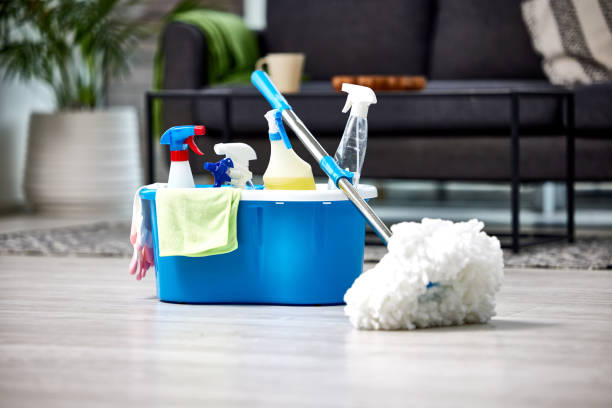
– Scrub brushes: Ideal for scrubbing tiles, grout lines, or other tough-to-clean surfaces. Choose one with durable bristles that can handle heavy-duty cleaning.Vacuum cleaner: Opt for a model with attachments designed for different floor types, upholstery, or hard-to-reach areas like corners or curtains.Mop: A microfiber mop is especially effective for hardwood or tile floors as it traps dust and dirt efficiently.Dustpan and broom: Essential for sweeping up debris before mopping or vacuuming.Extendable duster: Perfect for reaching ceiling fans, light fixtures, and other high places without using a ladder.
Cleaning Products
Choosing the right cleaning products ensures that you can tackle various surfaces safely while achieving an impressive shine.All-purpose cleaner: Suitable for most household surfaces such as countertops, sinks, and appliances.Glass cleaner: Achieves streak-free windows, mirrors, and glass doors.Disinfectant spray/wipes: Essential for killing bacteria and viruses on high-touch points like door handles and switches. Bathroom cleaner: Designed to remove soap scum from showers and tubs while sanitizing sinks and toilets.Degreaser: Great at cutting through stubborn grease in the kitchen around stovetops or vent hoods.Wood polish/cleaner: Helps protect wooden furniture while enhancing its natural shine.
Miscellaneous Supplies
Some often-overlooked items can make your cleaning process smoother: 1. Trash bags – Make sure to have multiple sizes available to handle trash from different areas of your home.
2. Sponges – Useful for washing dishes or scrubbing dirty surfaces; keep separate sponges designated by task (e. g. , kitchen versus bathroom).
3. Gloves – Protect your hands from exposure to harsh chemicals by wearing durable rubber gloves while cleaning.
4. Buckets – Needed not only when mopping but also to rinse sponges or carry supplies between rooms.
| Category | Materials | Purpose |
| Tools | Microfiber cloths | Dusting & wiping surfaces |
| Scrub brushes | Tough surface scrubbing | |
| Vacuum Cleaner | Floors & upholstery | |
| Products | All-purpose cleaner | General surface cleanliness |
| Glass Cleaner | Streak-free glass/mirror maintenance | |
| Supplies | Trash Bags | Waste collection |
| Gloves | Hand protection from chemicals |
Tips on Organizing Your Supplies
- Store your cleaning tools in one central location such as a utility closet or under the sink cabinet so they are easy to access when needed.
- Use caddies or bins to group similar items together (e. g. , bathroom cleaners in one bin; kitchen cleaners in another).
- Ensure all sprays are tightly sealed after use to avoid leaks.
By equipping yourself with these essential materials ahead of time, you’ll transform what might seem like an overwhelming task into an organized process that delivers outstanding results throughout your home.
How to Deep Clean Your Bathroom and Refresh Its Fixtures
A clean and refreshed bathroom contributes significantly to a healthier and more pleasant home environment. Below is a step-by-step guide to deep cleaning your bathroom, along with tips to freshen up its fixtures effectively.
Step 1: Gather Your Cleaning Supplies
Before diving into the cleaning process, ensure you have all the necessary materials.
- Cleaning agents:Multi-surface cleaner, glass cleaner, toilet bowl cleaner, and tile/grout cleaner.
- Tools:Microfiber cloths, scrubbing brushes (including an old toothbrush for tight spaces), mop, sponge, and bucket.
- Protective gear:Rubber gloves and a face mask (if using strong chemicals).
- Optional:Vinegar and baking soda for eco-friendly cleaning.
Step 2: Declutter the Bathroom
- Remove all items from countertops, shelves, and inside the shower/bath area.
- Dispose of expired or empty products like shampoos or skincare items.
- Temporarily relocate rugs and towels to avoid interference during cleaning.
Step 3: Start with Dusting
Use a microfiber cloth or duster to remove dust from surfaces such as: – Light fixtures – Shelves – Baseboards – Air vents
Ensure you also dust around less noticeable areas such as behind the toilet or under sinks.
Step 4: Clean Tiles and Grout
Tiles are prone to dirt buildup due to constant moisture exposure. Follow these steps: 1. Apply tile/grout cleaner or a mixture of vinegar and water directly onto the tiles. 2. Let it sit for 5–10 minutes for effective grime removal. 3. Scrub thoroughly using a grout brush or an old toothbrush.
For stubborn stains on grout lines, consider creating a paste with baking soda and water before scrubbing.
Step 5: Refresh Bathroom Fixtures
Fixtures like faucets, showerheads, and handles can accumulate limescale over time. Here’s how to clean them: 1. Wipe down fixtures with warm water first. 2. Use a limescale remover or white vinegar solution for hard water stains. 3. Buff chrome fixtures with a clean microfiber cloth for added shine.
Pro Tip: Soak showerheads in vinegar overnight to remove mineral buildup effectively.
Step 6: Sanitize Key Areas
Target high-touch areas such as: – Toilet handles
– Faucet levers
– Door handles
Use an antibacterial spray or disinfectant wipes to eliminate germs effectively.
Step 7: Scrub the Toilet Thoroughly
The toilet requires focused attention during deep cleaning: 1. Add toilet bowl cleaner into the bowl and let it sit for at least 10 minutes. 2. Scrub vigorously using a toilet brush. 3. Don’t forget to wipe down the exterior parts such as the seat hinges and base using disinfectant spray.
Step 8: Wash Glass Surfaces
For mirrors or glass shower doors: 1. Spray glass cleaner evenly onto surfaces. 2. Wipe in circular motions using a lint-free cloth or newspaper for streak-free results.
If there’s soap scum on glass surfaces, use warm vinegar with dish soap before wiping it away.
Step 9: Mop Floors
After tackling all other areas: 1. Sweep any debris off the floor first. 2. Mop floors with warm water mixed with floor cleaner suitable for your bathroom tiles/materials.
For extra shine on tile floors, dry-mop them after they’ve been cleaned thoroughly.
Tips for Maintaining Your Deep-Cleaned Bathroom:
To keep your bathroom fresh between deep cleans: – Use ventilation fans regularly after showers to reduce humidity levels. – Wipe down wet surfaces immediately after use. – Consider placing air fresheners or essential oil diffusers in corners of your bathroom space.
By following these steps systematically, you’ll achieve not only a sparkling clean but also an inviting bathroom environment suitable for relaxation at any time of day!
Effective Cleaning Service Washington DC: Deep Clean Your Living Room Surfaces and Upholstery
A clean and organized living room creates a welcoming space for relaxation and entertaining guests. However, maintaining this area can be challenging due to the variety of surfaces, furniture, and upholstery that require attention. Below are proven techniques to deep clean your living room effectively.
Preparing for a Thorough Living Room Cleaning
Before starting, gather all necessary cleaning supplies to streamline the process.
- Microfiber cloths
- Vacuum cleaner with attachments
- Upholstery cleaner or mild detergent
- Soft-bristle brush
- Glass cleaner
- Wood polish or multi-surface cleaner
- Baking soda (optional for odor removal)
Step 1: Declutter the Space
Begin by removing any clutter from coffee tables, side tables, shelves, and seating areas. Place items like books, magazines, electronics, and décor in designated spots or storage containers. Decluttering ensures nothing obstructs cleaning surfaces while also promoting better organization.
Step 2: Dust All Surfaces Thoroughly
Dust accumulation can dull furniture finishes and trigger allergies.
- Use a microfiber cloth or an electrostatic duster to capture fine particles on hard surfaces such as tables and shelves.
- For ceiling fans or light fixtures, extendable dusters help reach high areas.
- Don’t forget baseboards — they often collect dirt over time. Use a damp cloth where necessary.
Step 3: Focus on Upholstery Cleaning
- Vacuum Regularly– Use the upholstery attachment on your vacuum cleaner to remove dust and crumbs from sofas, chairs, and cushions.
- Spot Treat Stains– Identify stains on fabrics and treat them immediately with an upholstery-safe solution or mild detergent diluted in water.
For leather furniture: – Wipe with a damp cloth. – Condition using specialized leather cleaners to prevent cracking.
Step 4: Clean Glass Surfaces
- Spray glass cleaner onto microfiber cloths (not directly onto glass) to avoid streaks.
- Wipe in circular movements until the surface is clear of smudges or fingerprints.
Step 5: Revitalize Carpets & Rugs
- Vacuum carpets thoroughly in multiple directions to lift embedded debris.
- Spot-clean stains using carpet-specific solutions.
- For deeper cleaning needs (e. g. , pet odors), consider steam-cleaning equipment or hiring professional services annually.
Step 6: Polish Wooden Furniture
- Dust wooden surfaces first with a dry microfiber cloth.
- Apply wood polish sparingly using another clean cloth; buff gently until shiny.
| Material | Recommended Cleaner | Frequency |
| Fabric | Upholstery-safe solution | Weekly |
| Leather | Leather conditioner | Monthly |
| Glass | Streak-free glass spray | As needed |
| Wood | Multi-surface/wood polish | Bi-weekly/Monthly |
By following these techniques consistently, you’ll create a spotless living room environment that’s both comfortable and visually appealing for everyone who enters your home!
Effective Strategies for Deep Cleaning Bedrooms, Surfaces, and Furniture
Deep cleaning your bedroom is essential not only for maintaining a healthy living environment but also for creating a calming and comfortable space. From surfaces to furniture, implementing the right strategies can make the process efficient and effective. Here’s how to tackle your bedroom like a pro.
Decluttering First: Prepare the Space
Before diving into deep cleaning, it’s crucial to declutter your bedroom. Removing unnecessary items allows you to clean more effectively.
- Organize items: Sort belongings into categories such as “Keep,” “Donate,” or “Dispose.
- Clear surfaces: Remove items from nightstands, dressers, and desks to access all areas.
- Store seasonal items: Place out-of-season clothing or accessories in storage bins under the bed or in closets.
Dusting and Cleaning Bedroom Surfaces
Bedrooms are prone to accumulating dust on surfaces. Use proper techniques to ensure thorough cleaning.
- Dust ceiling fans, light fixtures, and high shelves first.
- Use a microfiber cloth or a duster with an extendable handle.
- Clean nightstands, dressers, windowsills, and baseboards using an all-purpose cleaner.
- For delicate materials like wood, use a wood-safe cleaner to preserve finishes.
- Use a vacuum attachment or brush tool to remove dust from corners where cobwebs often gather.
Cleaning Upholstered Furniture
Your bed frame, chairs, or any fabric-covered furniture also need attention during deep cleaning.
- Vacuum the upholstery: Use a handheld vacuum with an upholstery attachment to remove dirt and debris.
- Spot clean stains: Treat fabric stains with an appropriate cleaner. Always test it on an inconspicuous area first.
- Wash removable covers: Check for removable cushion covers or slipcovers that can be machine washed according to label instructions.
Washing Bed Linens and Curtains
Fresh linens instantly elevate the cleanliness of your room while removing allergens like dust mites.
| Item | Recommended Frequency |
| Bedsheets | Weekly |
| Pillowcases | Weekly |
| Mattress protectors | Monthly |
| Curtains | Every 3 months |
Ensure you launder these items according to their care labels for longevity.
Mattress Maintenance
A clean mattress contributes significantly to better sleep quality.
- Strip off all linens and vacuum the entire surface with a crevice tool.
- Spot-treat stains using baking soda paste (baking soda mixed with water) or enzyme-based cleaners.
- Flip or rotate your mattress if recommended by the manufacturer.
Flooring Care in Bedrooms
- Vacuum thoroughly using overlapping strokes.
- Spot-clean stains using carpet-friendly solutions.
- Sweep or vacuum without a beater bar attachment.
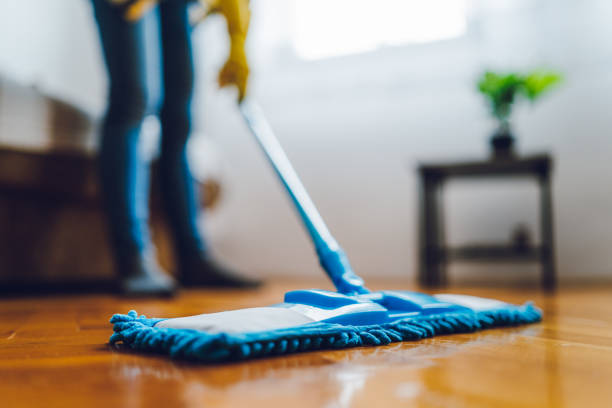
- Mop floors with a wood-safe cleaner and microfiber mop head.
- Vacuum any debris first before mopping tiles with warm water mixed with mild detergent.
Deep cleaning bedrooms goes beyond basic tidying—it’s about creating a space that feels fresh while eliminating hidden dirt and allergens that may compromise your health over time. By following these effective strategies step-by-step, you’ll enjoy both aesthetic appeal and long-term comfort in one of the most personal spaces in your home.
The Ultimate Guide to Tackling Laundry Room Appliances and Floors
The laundry room is often one of the most overlooked areas in a home when it comes to deep cleaning. However, maintaining a clean and organized laundry space is essential, as it not only extends the life of your appliances but also ensures better hygiene for your clothing. In this guide, we’ll walk you through effective techniques for cleaning laundry room appliances and floors to achieve a spotless space.
Key Steps for Cleaning Laundry Room Appliances
- Run a Cleaning Cycle: Most modern washing machines come with a “clean washer” cycle. Use this feature monthly to eliminate detergent residues, mold, and odors.
- Add 2 cups of white vinegar to the drum.
- Run the machine on its hottest setting.
- Wipe down the inside of the drum with a microfiber cloth after the cycle completes.
- Clean Rubber Gaskets: Mold tends to build up around rubber seals.
- Mix equal parts vinegar and water.
- Use an old toothbrush or soft cloth to scrub away grime.
- Check and Clean Filters: Detergent and fabric softener can clog filters over time. Refer to your machine’s user manual for instructions on safely removing and cleaning filters.
- Empty Lint Trap Regularly: Before or after every load, remove lint buildup from the trap to improve efficiency and prevent fire hazards.
- Vacuum Dryer Vents:
- Disconnect the dryer from power.
- Use a vacuum attachment or specialized vent-cleaning brush to remove lint from exhaust vents and ducts.
- Wipe Down Exterior Surfaces: Dust and residue can accumulate on top of dryers. A damp microfiber cloth with mild cleaner will suffice.
- Ironing Boards & Irons
Ensure these tools are free from fabric residue or mineral deposits: - For ironing board covers, wash them according to care labels.
- For irons, clean mineral buildup by running white vinegar through steam ports.
Best Practices for Cleaning Laundry Room Floors
- Sweep or vacuum loose debris like lint or dirt particles.
- Mop using warm water mixed with gentle floor cleaner designed for tiles.
- Scrub grout lines with a baking soda paste (mix baking soda with water) using an old toothbrush.
- Vacuum as needed before mopping.
- Use mild dish soap diluted in warm water instead of harsh chemicals that may damage vinyl finishes.
- Concrete Floors Concrete floors in unfinished laundry rooms require extra care:
- Remove dust using a shop vacuum or broom.
- Treat stubborn stains like detergent spills with baking soda paste.
Organizing Tips While Deep Cleaning
During appliance maintenance and floor scrubbing, take time to organize other parts of your laundry room: – Group detergents, stain removers, dryer sheets, etc. , into labeled bins for easy access. – Install wall-mounted shelving units if space allows. – Declutter items you no longer use (e. g. , expired detergents).
| Cleaning Task | Recommended Frequency | Tools Needed |
| Washing machine cleaning | Monthly | Vinegar, microfiber cloth |
| Dryer vent maintenance | Every 2–4 months | Vacuum/brush attachment |
| Floor mopping | Weekly | Mop, appropriate floor cleaner |
| Organizing supplies | Quarterly | Bins/labels |
By following these steps consistently, you’ll maintain not only a visually appealing laundry room but also ensure more efficient operation of appliances while reducing allergens caused by dust accumulation in this often-neglected area. Proper care now can save money on repair costs later while creating an inviting space you’ll appreciate every time you do laundry.
- Find Top-Rated Cleaners Washington DC with Our Comprehensive Deep Cleaning Checklist for Every Room
- How to Best Prepare Your Home for a Maid Service Washington DC
- Top-Rated Cleaners Washington DC Residents Trust to Make Homes Sparkle
- What Does a Cleaning Company Washington DC Offer in Comprehensive Deep Cleaning Services?
- The Ultimate Guide to Choosing a Cleaning Service Washington DC
- Top Types of Cleaning Service Washington DC Residents Should Consider